
Anxiety Therapy in Los Angeles
Most of us know what it feels like to be anxious. Anxiety can be helpful. It can motivate us to prepare for something important, remind us to pay attention to potential risks, or help us respond quickly in situations that genuinely require it. The people who reach out to me, though, are usually describing something different. They often feel like their minds are constantly working overtime, anticipating problems, replaying conversations, questioning decisions, or preparing for situations that may never happen. Even when life is relatively calm, it can feel difficult to fully relax.
What I've found is that anxiety doesn't look the same for everyone. Some people describe themselves as chronic worriers. Others experience panic attacks that seem to come out of nowhere. Some spend hours researching symptoms online because they're worried something has been missed medically. Others are incredibly successful professionally but privately feel exhausted by perfectionism, self-criticism, or the belief that they always have to get things right. Anxiety can also show up in relationships through overthinking, needing reassurance, avoiding conflict, or feeling responsible for other people's emotions. On the surface these experiences can seem very different, but I often find they're connected by a similar underlying question: What am I trying to protect myself from?
One of the reasons I enjoy working with anxiety is because I'm rarely interested in treating it as though it appeared out of nowhere. Instead, I find myself wondering how it developed in the first place. Most of us aren't born believing we have to think through every possible outcome, monitor other people's reactions, or prepare for the worst at all times. Those patterns usually develop for a reason, even if they no longer feel helpful.
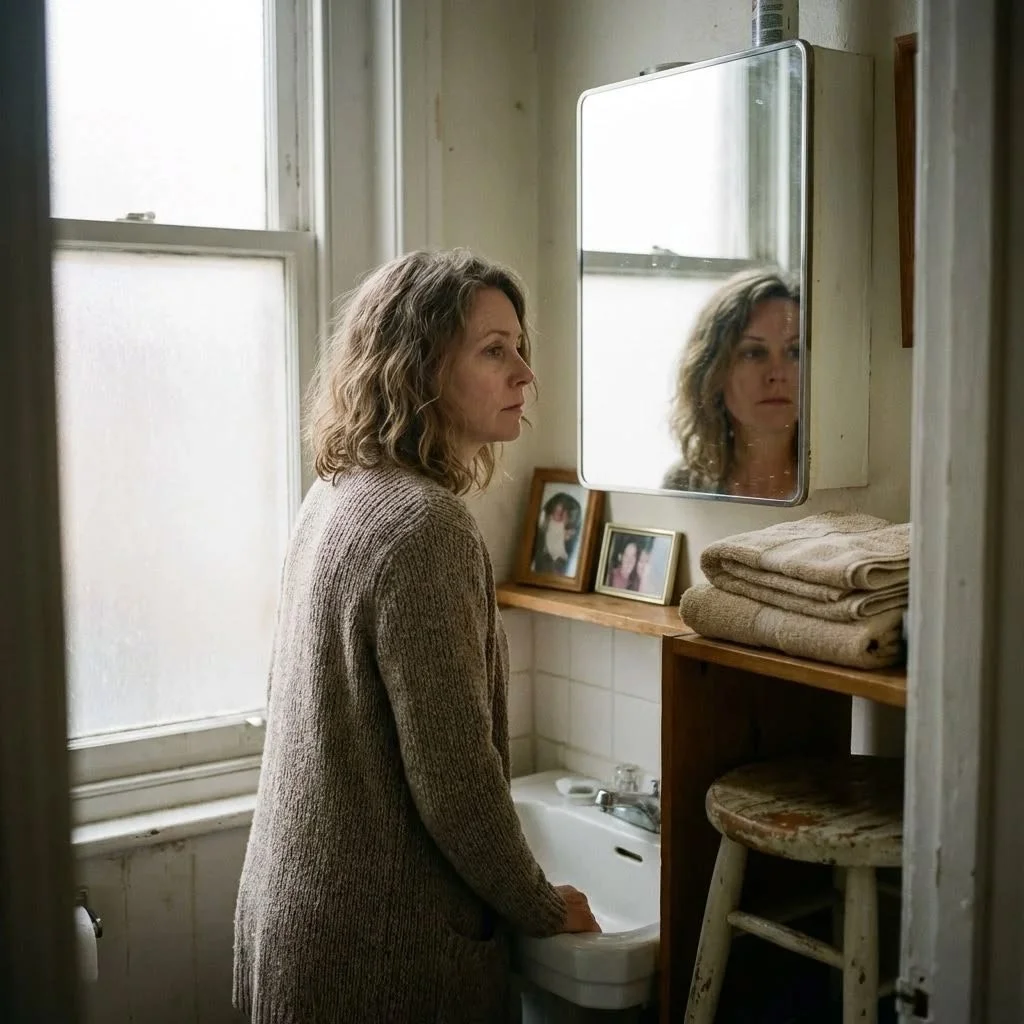
My approach to anxiety therapy
When someone comes to therapy because they're anxious, I'm certainly interested in helping them feel better. If anxiety is interfering with your sleep, relationships, work, or ability to enjoy your life, we want to address that. At the same time, I've found that lasting change often comes from understanding why your mind and body learned that staying alert was necessary.
For one person, anxiety may have developed in an unpredictable home where they learned to pay close attention to other people's moods. For someone else, it may have grown after a traumatic experience, a significant loss, a medical diagnosis, or years of feeling like mistakes weren't acceptable. Sometimes it's connected to family dynamics, cultural expectations, identity, or experiences of needing to take care of everyone else before yourself. There isn't one explanation that fits everyone, which is why I try not to make assumptions before understanding your story.
As we begin making sense of those patterns, many people notice they're able to respond to themselves with a little more compassion. Instead of feeling frustrated that they "can't just stop worrying," they begin to understand that anxiety has often been an attempt to create safety, predictability, or control. Recognizing that doesn't mean we stay stuck in those patterns. It simply gives us a much more thoughtful place to begin changing them.
What therapy with me is like
If we decide to work together, you'll probably notice that I ask a lot of questions. I'm naturally curious, and I tend to think out loud with my clients as we're making sense of something together. I'll offer observations, notice patterns, gently challenge beliefs that may no longer be serving you, and help connect experiences that might not have felt related before.
Some sessions are practical and focused on navigating something happening in your life right now. Others are more reflective. Depending on your goals, we may incorporate EMDR, psychodynamic therapy, mindfulness, cognitive approaches, somatic interventions, or other evidence-based therapies. I practice integrative psychotherapy because I've never believed that one therapeutic approach works equally well for every person. My goal is to understand what will be most helpful for you rather than asking you to fit into a particular model of therapy.
Anxiety isn't just something we think.
Many of the people I work with describe anxiety as something they feel physically long before they recognize it mentally. They notice tension in their shoulders, trouble sleeping, digestive issues, headaches, difficulty catching their breath, or the feeling that their nervous system never quite settles. Others tell me they're so used to living this way that they don't realize how much energy anxiety has been taking until they begin feeling differently.
Because of that, our work isn't limited to changing thoughts. Depending on what feels most helpful for you, we might spend time understanding the beliefs that continue to fuel anxiety, learning ways to regulate your nervous system, exploring relationship patterns that continue to create stress, or processing experiences that still feel emotionally unresolved. Sometimes those experiences involve trauma. Sometimes they don't. I don't begin therapy with a predetermined roadmap because I've found that people benefit from different approaches depending on what they're carrying and what they're hoping to change.
The types of anxiety I commonly work with
Over the years, I've worked with people experiencing many different forms of anxiety, including generalized anxiety, panic attacks, health anxiety, illness anxiety, perfectionism, social anxiety, relationship anxiety, intrusive thoughts, chronic stress, work-related burnout, and anxiety related to major life transitions. I also work with many people who wouldn't necessarily describe themselves as "anxious" but recognize that they spend much of their lives trying to anticipate problems, avoid making mistakes, or manage everyone else's emotions before attending to their own.
Although these experiences may have different names, I don't approach them as entirely separate problems. I'm usually interested in understanding how they fit into the larger picture of your life. That means we're not only talking about symptoms—we're also exploring your relationships, your experiences, your strengths, and the ways you've learned to move through the world.
Anxiety Therapy in Studio City, Santa Monica, and throughout California
I provide anxiety therapy for adults and adolescents in Studio City and Santa Monica, serving clients throughout Sherman Oaks, Toluca Lake, Valley Village, North Hollywood, Burbank, Encino, Brentwood, Mar Vista, Venice, Culver City, Marina del Rey, West Los Angeles, and surrounding communities. I also offer virtual therapy throughout California.
Whether you're struggling with generalized anxiety, panic attacks, health anxiety, perfectionism, relationship anxiety, or chronic stress, therapy can provide an opportunity to better understand what's keeping those patterns in place and begin responding to them in ways that feel more flexible, intentional, and sustainable.